
< 0.021 W/(m·K)
Thermal conductivity at 25°C
650 °C
Maximum operating temperature
3–10 mm
Available blanket thickness
> 98 %
Hydrophobicity
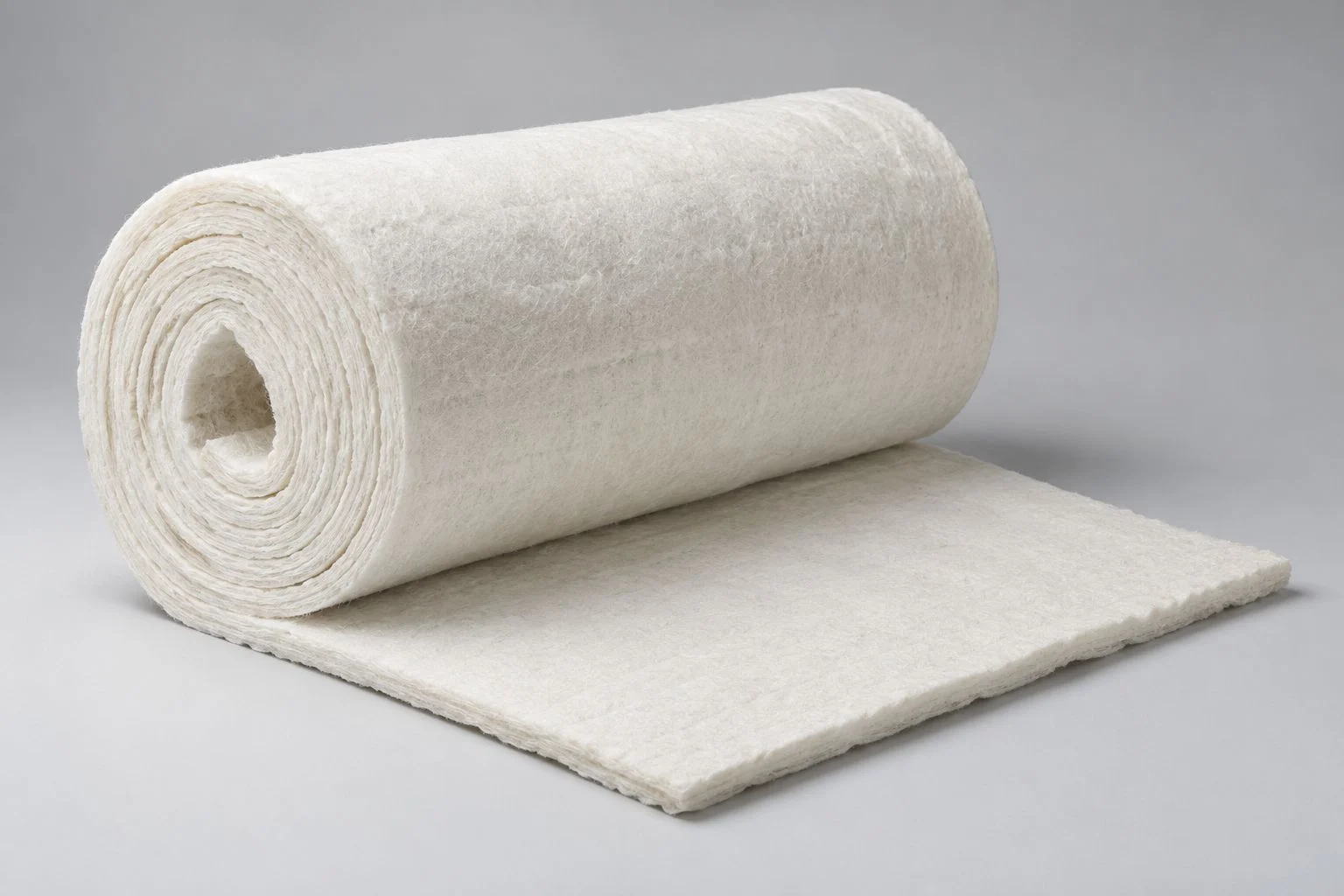
High-Performance Insulation in a Thinner Profile
The LC-BWZ series combines silica aerogel with reinforcing fibers in a flexible insulation blanket. Designed for demanding process environments, it brings low thermal conductivity to installations with limited clearance.
A cut-and-wrap format helps installers work around curved surfaces, fittings and complex equipment. Select the thickness and insulation arrangement against your operating temperature, heat-loss target and site conditions.
Built around real installation challenges
From tight pipe spacing to complex surfaces, choose insulation with the whole installation in mind.
Space-efficient insulation
Achieves the required thermal performance with a thinner profile, preserving installation and maintenance space.
Water Repellency
Over 98% hydrophobicity helps limit water absorption and reduce CUI risk within a properly designed system.
Flexible installation
Easy to cut and wrap around pipes, valves, flanges and curved equipment surfaces.
Energy Efficiency
Thermal conductivity below 0.021 W/(m·K) at 25°C helps reduce heat loss and operating energy costs.
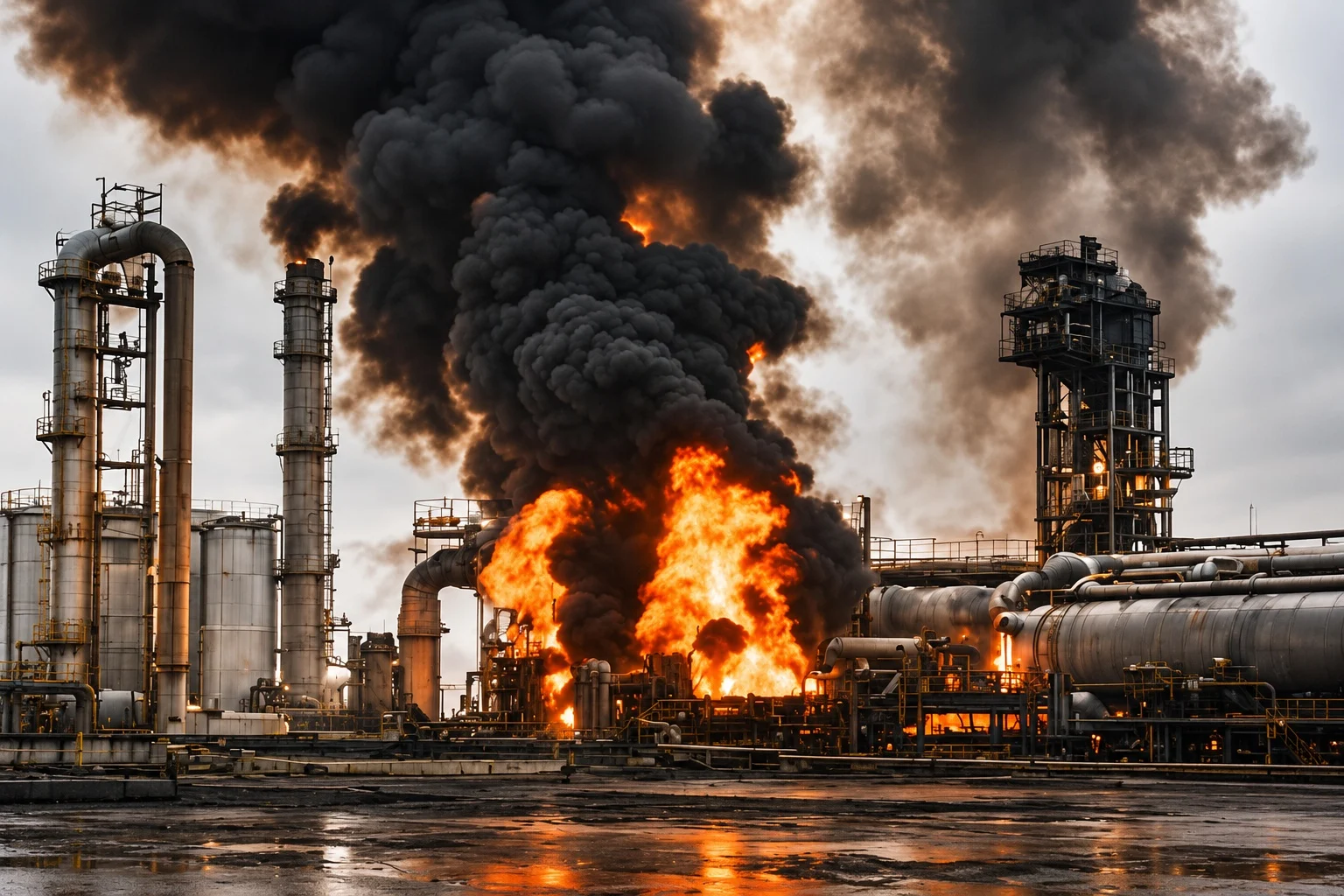
Fatal Flaws of Traditional Insulation
In petrochemical facilities, once storage tanks and reactors leak and overheat, they are highly susceptible to triggering a chain reaction of deflagration. Under the impact of high-temperature flames, traditional fireproofing coatings rapidly pulverize and detach, failing to provide a critical emergency thermal insulation protection window for key pressure-bearing equipment, thereby exacerbating the risk of catastrophic collapse. Traditional porous insulation materials, such as highly hygroscopic rock wool, continuously accumulate condensed moisture in humid coastal conditions, forming an “acidic wet sponge” micro-galvanic cell environment tightly clinging to the exterior metal walls. This insidious process accelerates wall thinning and stress cracking; according to industry statistics, the associated maintenance costs have already consumed over 30% of total enterprise operation and maintenance (O&M) budgets.
Beware of Hidden Corrosion Under Insulation
CUI (Corrosion Under Insulation) specifically refers to the electrochemical corrosion of metals occurring hidden beneath the insulation or refractory layers of industrial equipment. Due to its highly concealed nature, it is extremely susceptible to being overlooked. Rock wool and aluminum silicate fibers exhibit a porous, sponge-like physical structure capable of retaining liquid media up to 3 to 5 times their own volume in high-humidity condensing environments. The trapped moisture struggles to evaporate and dissipate through natural convection, thereby forming a continuously saturated microclimate corrosion electrolytic cell at the interface. The permeating liquid, having dissolved chloride ions and acidic components from the process media, transforms uniform corrosion into far more hazardous localized pitting and stress cracking.
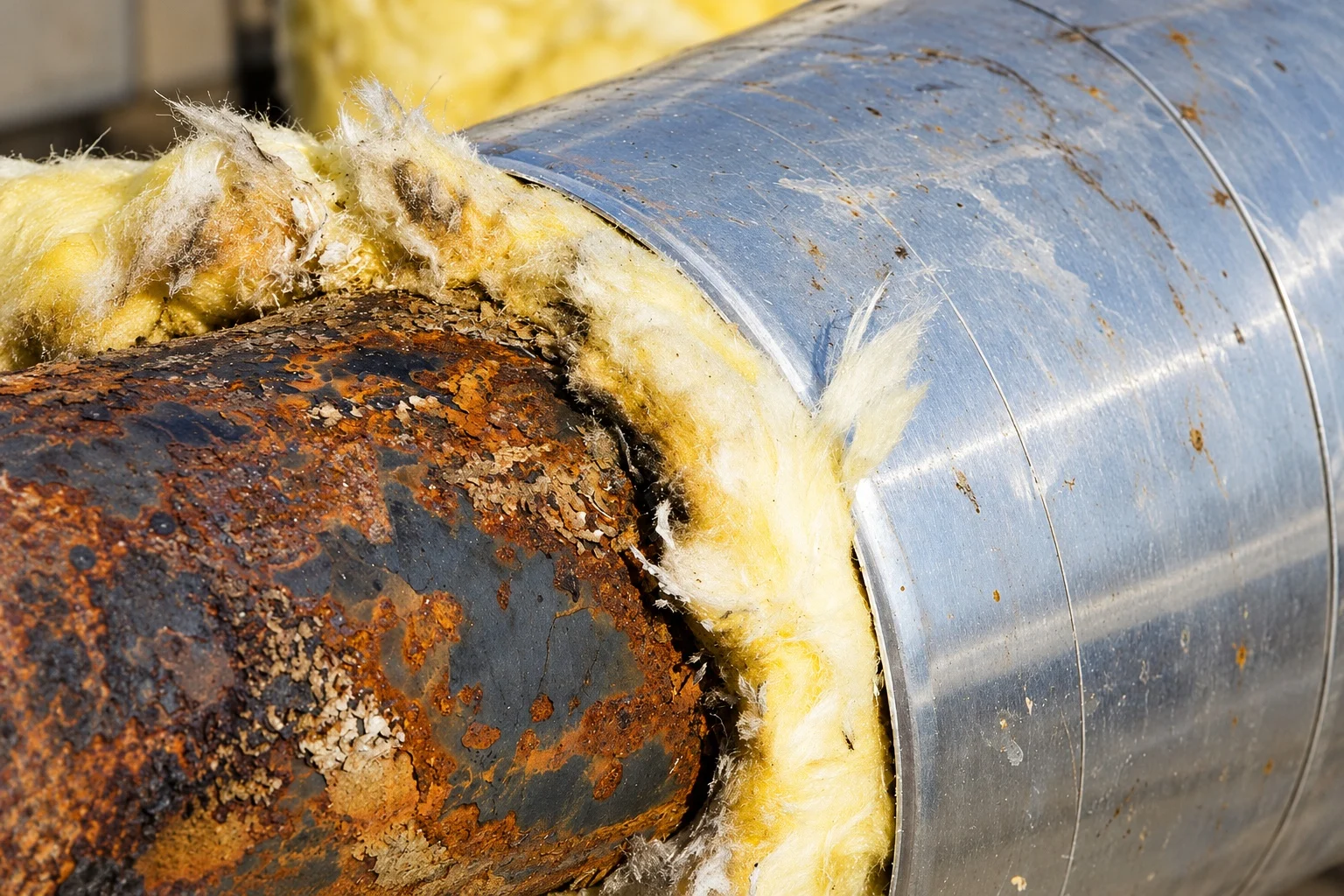
Traditional Insulation
Aerogel Insulation Blanket
Operating temperature, ambient conditions and required heat-loss or surface-temperature limit.
Pipe diameter, equipment geometry, available clearance and maintenance access.
Jacketing, seals, vapor control where required, and inspection arrangements.
Technical data at a glance
| Performance Indicator | Technical Data |
|---|---|
| Material Composition | Silica Aerogel + Reinforced Fiber |
| Thickness | 3 – 10 mm (Customizable) |
| Standard Size (Width × Length) | 1500 mm × 25000 mm |
| Thermal Conductivity (25°C) | < 0.021 W/(m·K) |
| Thermal Conductivity (300°C) | < 0.036 W/(m·K) |
| Density | 180 ± 30 kg/m³ |
| Hydrophobicity / Compressive Resilience | > 98% / > 90% |
| Tensile / Compressive Strength | > 200 kPa / > 80 kPa |
| Fire Performance Rating | Class A Non-combustible (GB 8624-2012) |
| Max Operating Temperature | 650°C |
| Mass Loss from Vibration | < 1% |
Values shown are the published product specifications. Confirm the supplied grade, relevant test methods and current technical documentation for your project.
From pipework to process equipment
Review the service temperature, geometry and external protection requirements for each application.
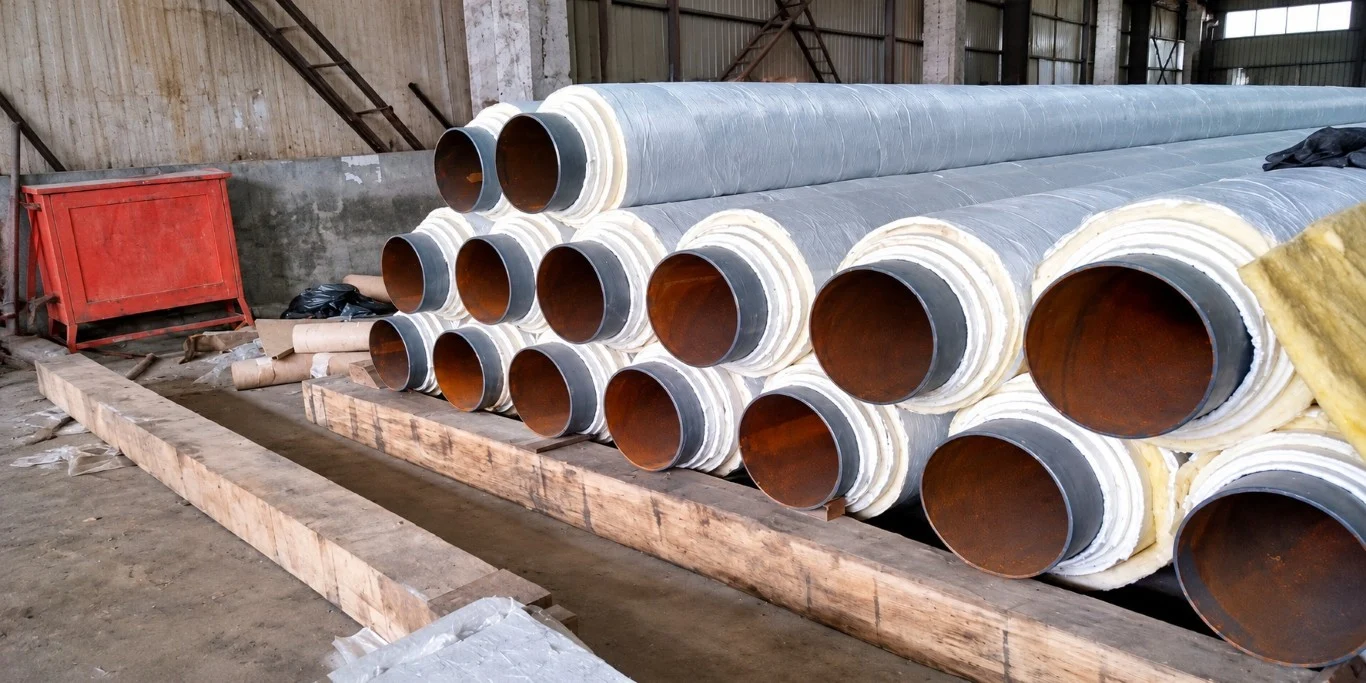
Process Piping
For assessing insulation on steam lines, hot-oil systems and process pipework where clearance and heat loss guide the design.
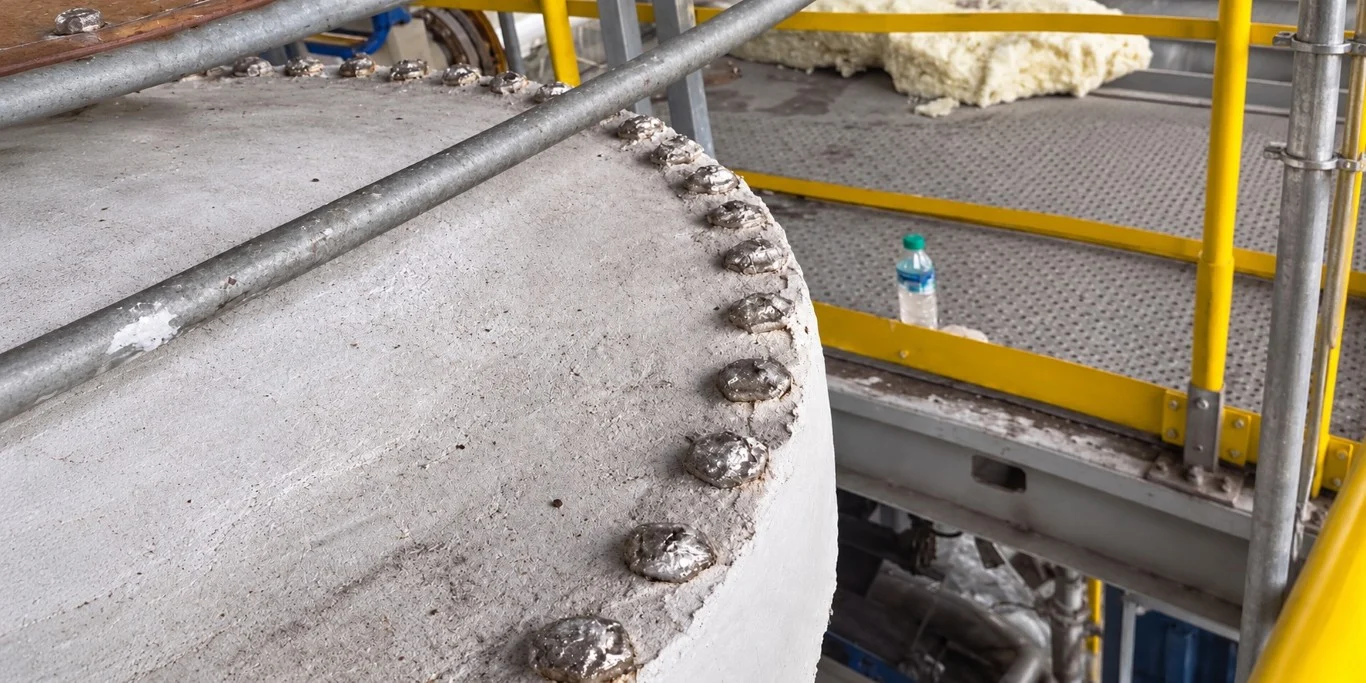
Vessels & Equipment
Flexible coverage for reactors, heat exchangers and complex surfaces, subject to equipment-specific temperature and installation requirements.
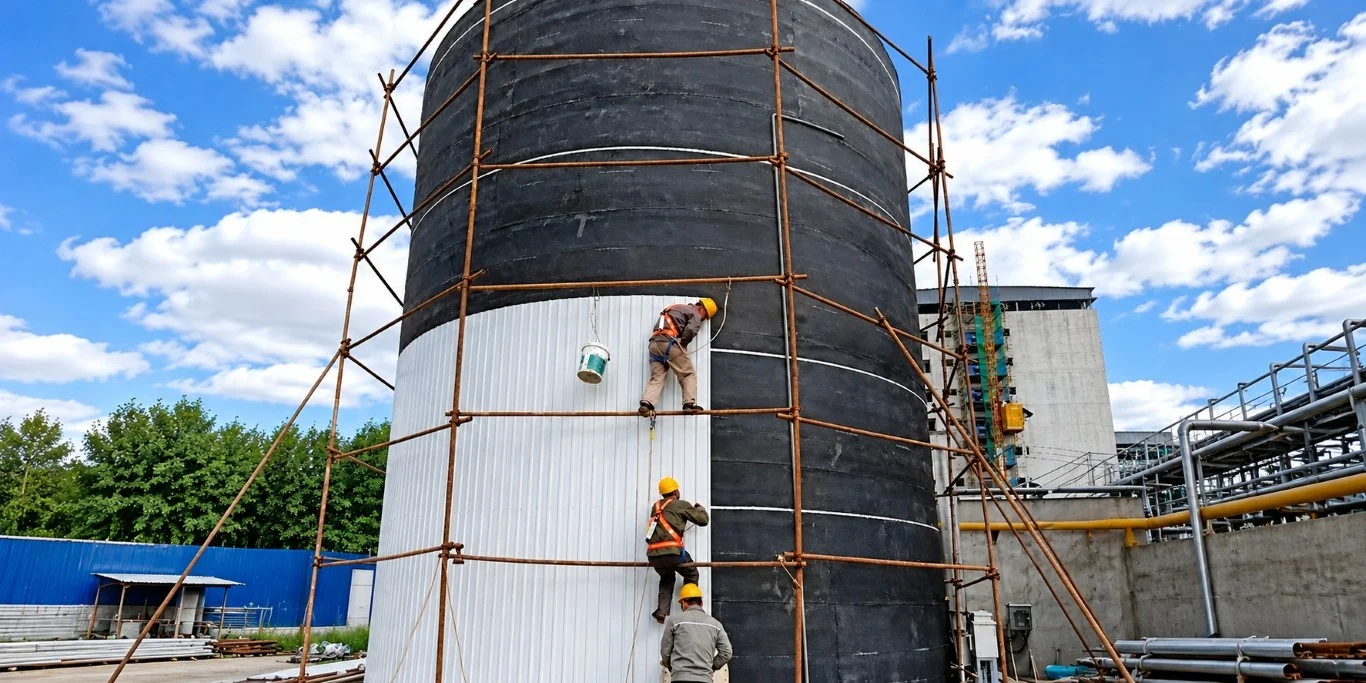
Tank Insulation
Evaluate blanket thickness, support details and weather protection around the tank’s operating conditions and maintenance plan.
Let’s insulate your next project
Share your operating conditions and dimensions. We can help review product requirements and prepare a quotation.
Find the right aerogel blanket for your operating temperature and insulation needs.
Tell us your required thickness, quantity and delivery destination.
Request thermal performance data, specifications and installation guidance.