
The LC-BWZ Series Nano-Porous Aerogel Insulation Blanket integrates silica aerogel with flexible reinforced fibers, specifically engineered for demanding petrochemical and industrial thermal environments. As a high-performance insulation material, it delivers superior thermal resistance at a fraction of the typical thickness; under the same insulation targets, it significantly reduces the overall profile, lowering structural load on pipe racks and freeing up critical maintenance space. Furthermore, featuring over 98% hydrophobicity and a Class A non-combustible rating, this blanket effectively repels liquid water and condensation, fundamentally mitigating the risk of Corrosion Under Insulation (CUI). With its exceptional flexibility, it is easy to cut and wrap, perfectly conforming to high-temperature pipelines, chemical reactors, and complex valves or flanges. It effectively resolves the bulky, moisture-absorbing, and difficult-to-install issues of traditional materials, substantially reducing lifecycle thermal loss and maintenance costs.
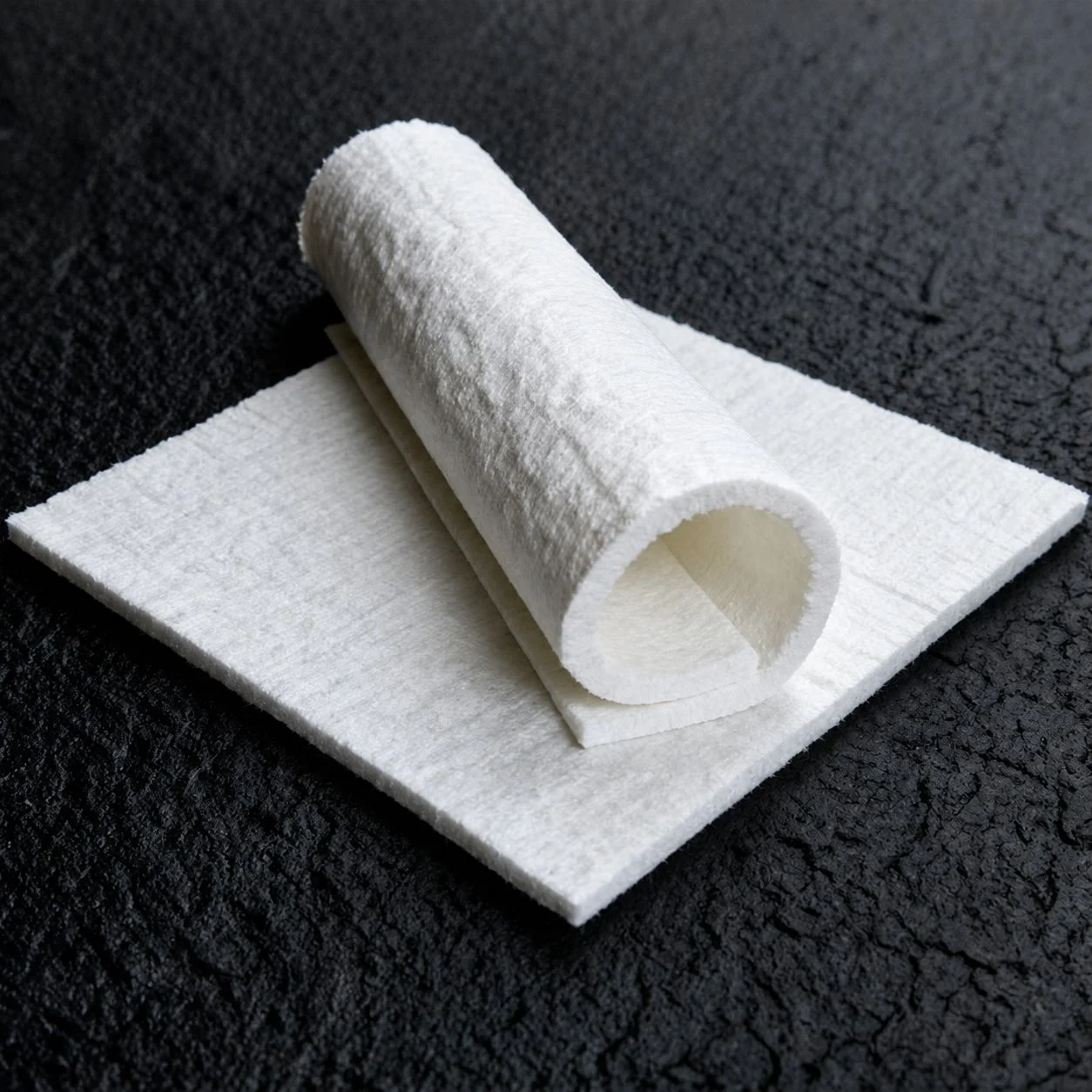
Ultra-Thin Profile, Freeing Up Space
Compared to traditional materials like aluminum silicate fibers, the aerogel blanket significantly reduces insulation thickness while meeting the same thermal targets. This substantially lowers the structural load on pipe racks and frees up valuable operational and maintenance space in congested areas.
Fully Hydrophobic, Mitigating CUI Risks
Featuring an exceptional hydrophobicity rate of over 98%, the material effectively blocks the penetration of external liquid rain and internal condensation. This fundamentally eliminates wet environments, drastically mitigating the risk of Corrosion Under Insulation (CUI) and extending the lifespan of piping assets.
Highly Flexible, Perfect for Complex Geometries
As a flexible composite roll, it can be easily cut and wrapped directly on-site. It perfectly conforms to complex irregular shapes such as elbows, valves, flanges, and large reactor surfaces, completely resolving the installation difficulties and multiple seams associated with traditional rigid materials.
High Energy Efficiency, Rapid ROI
Boasting an ultra-low thermal conductivity of <0.021 W/(m·K) at 25°C, it drastically reduces pipeline heat loss, achieving an exemplary energy saving rate of approximately 45%. When factoring in energy conservation, maintenance, and anti-corrosion savings over the asset’s lifecycle, the initial material investment is typically recovered within 3 to 5 years.
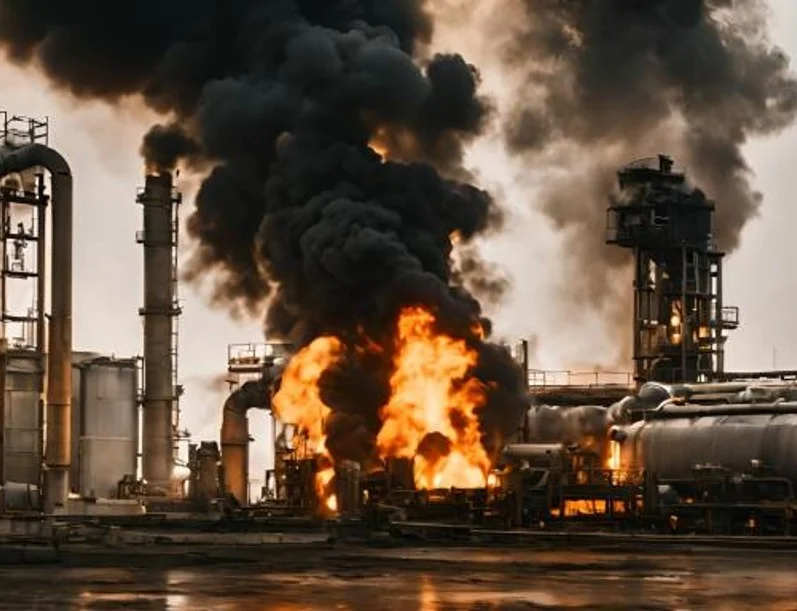
Fatal Flaws of Traditional Insulation
In petrochemical facilities, once storage tanks and reactors leak and overheat, they are highly susceptible to triggering a chain reaction of deflagration. Under the impact of high-temperature flames, traditional fireproofing coatings rapidly pulverize and detach, failing to provide a critical emergency thermal insulation protection window for key pressure-bearing equipment, thereby exacerbating the risk of catastrophic collapse. Traditional porous insulation materials, such as highly hygroscopic rock wool, continuously accumulate condensed moisture in humid coastal conditions, forming an “acidic wet sponge” micro-galvanic cell environment tightly clinging to the exterior metal walls. This insidious process accelerates wall thinning and stress cracking; according to industry statistics, the associated maintenance costs have already consumed over 30% of total enterprise operation and maintenance (O&M) budgets.
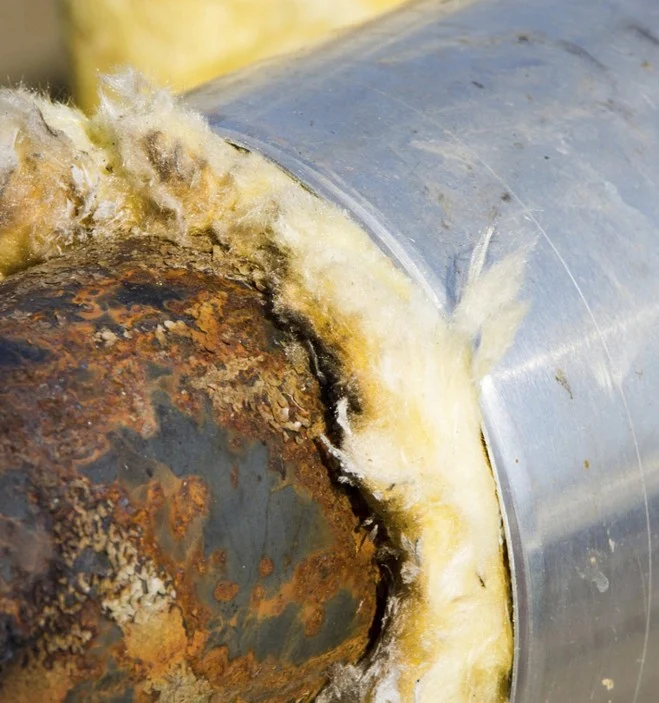
Beware of Hidden Corrosion Under Insulation
CUI (Corrosion Under Insulation) specifically refers to the electrochemical corrosion of metals occurring hidden beneath the insulation or refractory layers of industrial equipment. Due to its highly concealed nature, it is extremely susceptible to being overlooked. Rock wool and aluminum silicate fibers exhibit a porous, sponge-like physical structure capable of retaining liquid media up to 3 to 5 times their own volume in high-humidity condensing environments. The trapped moisture struggles to evaporate and dissipate through natural convection, thereby forming a continuously saturated microclimate corrosion electrolytic cell at the interface. The permeating liquid, having dissolved chloride ions and acidic components from the process media, transforms uniform corrosion into far more hazardous localized pitting and stress cracking.
Advantages of Aerogel Blankets
Compared to traditional insulation, aerogel insulation blankets provide a broader operating temperature range, superior thermal performance, and a significantly reduced profile—measuring just 1/3 to 1/5 the thickness of conventional materials. Furthermore, they deliver exceptional corrosion resistance, high hydrophobicity, enhanced fire retardancy, and an extended service life of up to 20 years (versus 3-5 years for standard alternatives). Under global carbon reduction initiatives, aerogel blankets stand out as the optimal material for petrochemical and LNG pipelines aiming to achieve energy savings and lower carbon emissions.
Traditional Insulation
- Thick (3x to 5x thicker)
- Only 3-5 years
- Hydrophilic (Prone to water absorption)
- Weak; accelerates corrosion once water is absorbed
- Limited; requires composite layers for complex temperature zones
- Standard (Certain foam materials pose flammability risks)
- Higher (0.040 – 0.060 W/m·K)
Aerogel Insulation Blanket
- Ultra-thin (1/3 to 1/5 of traditional materials)
- Up to 20 years
- Highly Hydrophobic (Water-repellent)
- Exceptional; prevents Corrosion Under Insulation (CUI)
- Broader range (-200°C to +650°C)
- Superior (Class A1 Non-Combustible)
- Extremely low (≤ 0.020 W/m·K)
Technical Data & Specifications
| Performance Indicator | Technical Data |
|---|---|
| Material Composition | Silica Aerogel + Reinforced Fiber |
| Thickness | 3 – 10 mm (Customizable) |
| Standard Size (Width × Length) | 1500 mm × 25000 mm |
| Thermal Conductivity (25°C) | < 0.021 W/(m·K) |
| Thermal Conductivity (300°C) | < 0.036 W/(m·K) |
| Density | 180 ± 30 kg/m³ |
| Hydrophobicity / Compressive Resilience | > 98% / > 90% |
| Tensile / Compressive Strength | > 200 kPa / > 80 kPa |
| Fire Performance Rating | Class A Non-combustible (GB 8624-2012) |
| Max Operating Temperature | 650°C |
| Mass Loss from Vibration | < 1% |
Applications of Aerogel Insulation Blanket
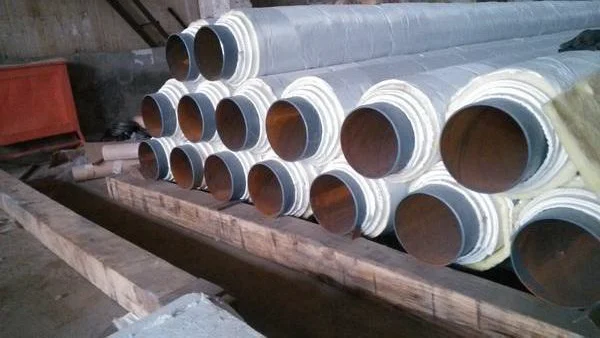
Process Piping Insulation
Widely adaptable to high-temperature steam, hot oil, and cryogenic LNG pipelines, forming a dense thermal barrier that drastically reduces both heat and cold losses during fluid transport.
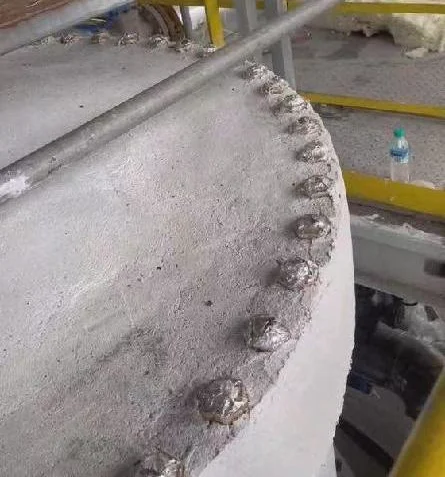
Heavy Equipment Insulation
Tailored thermal wrapping solutions for high-energy reactors, precision heat exchangers, and turbine compressors, ensuring stable operating parameters and shielding extreme outer wall temperatures.
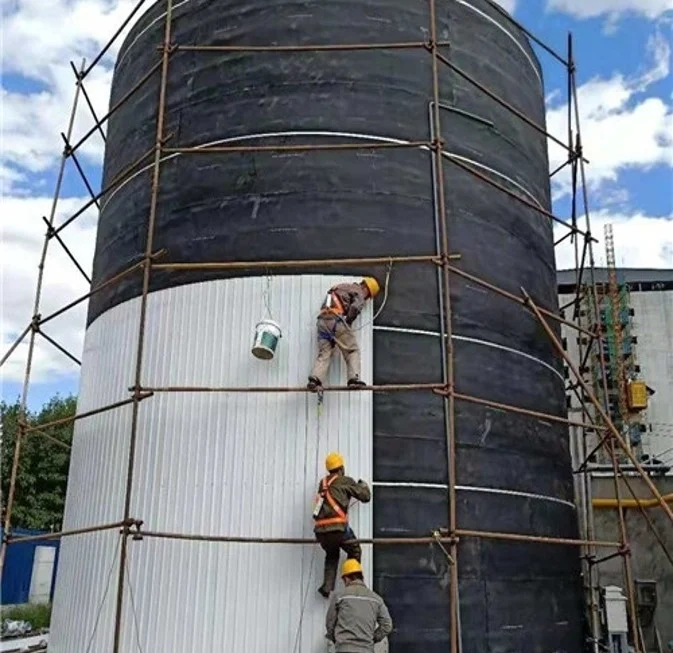
Storage Tank Insulation
Designed for large strategic crude oil reserves and cryogenic LNG tanks, this composite system resists extreme diurnal temperature variations, suppressing media evaporation and cold energy escape.
FREE QUOTE
If you need any fire fighting foam products, please submit the form and we will contact you as soon as possible!